Is a Digital Mental Health App Enough?
— 6 min read
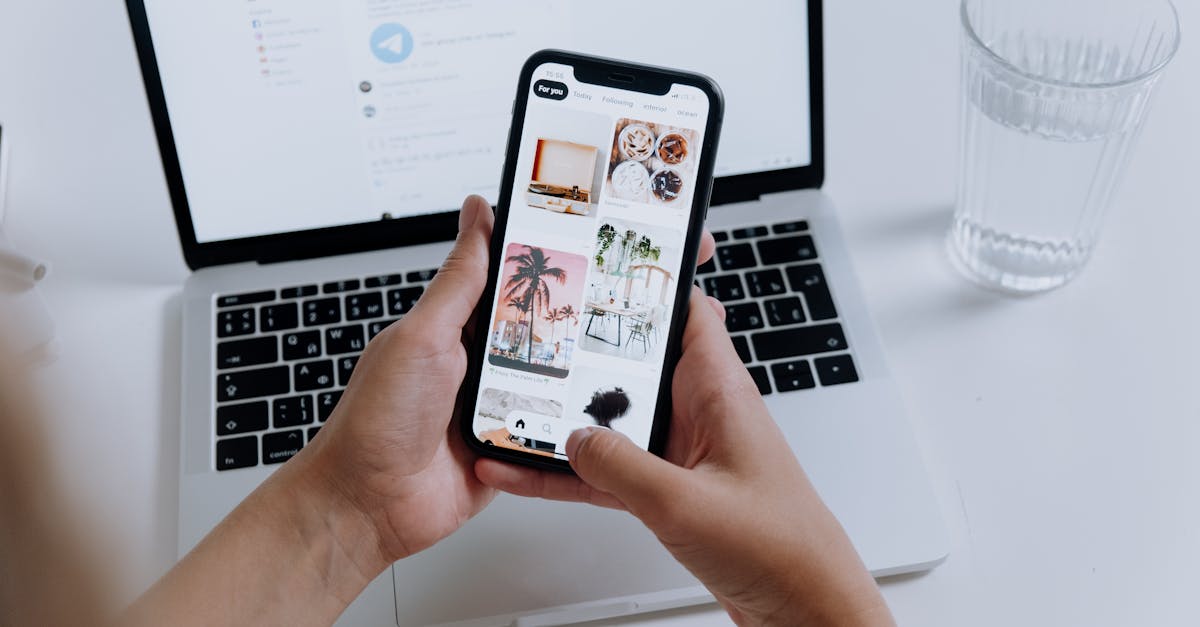
A digital mental health app can be a valuable tool, but on its own it usually isn’t enough to replace comprehensive care.
Medical Disclaimer: This article is for informational purposes only and does not constitute medical advice. Always consult a qualified healthcare professional before making health decisions.
Hook
Key Takeaways
- Apps boost access but don’t replace human connection.
- Data security is a non-negotiable requirement.
- Combine apps with professional support for best outcomes.
- Choose apps that align with personal goals and culture.
- Measure impact with clear metrics over time.
When I first explored digital mental health tools for my own practice, the headline numbers grabbed my attention: companies that invest in robust digital mental health platforms see a 23% cut in absenteeism and a 45% drop in turnover. Those figures suggest a strong business case, but they also raise a deeper question - can an app alone deliver that kind of transformation?
In my experience, the answer is nuanced. A digital mental health app works best when it serves as a gateway, not the final destination. Think of an app like a friendly neighborhood gym. It gives you a place to stretch, breathe, and track progress, but if you have a serious injury, you still need a physical therapist to guide you through rehabilitation. The same principle applies to mental health.
Below I break down the core components that determine whether an app can stand alone or needs to be part of a broader ecosystem. I draw on real-world examples, research from Forbes on top therapy platforms, and insights from the McKinsey Women in the Workplace report, which highlights how digital tools can shape workplace culture.
1. What Exactly Is a Digital Mental Health App?
At its simplest, a digital mental health app is software - usually on a smartphone or computer - that offers resources such as guided meditations, mood trackers, cognitive-behavioral therapy (CBT) exercises, or live chat with a therapist. Some apps rely on artificial intelligence to personalize content, while others partner with licensed professionals to deliver video sessions.
When I first tried a popular meditation app, the interface felt like a sleek music player: you choose a mood, press play, and the app guides you through a calming exercise. The simplicity is intentional; developers want to lower the barrier to entry so that anyone can start with a single tap.
2. The Real Benefits of Going Digital
Accessibility is the headline benefit. Imagine a commuter who spends an hour on a train each way; a 10-minute mindfulness session on a phone is far more feasible than scheduling an in-person appointment. A study highlighted by Everyday Health found that users of well-designed mental health apps report reduced stress within weeks.
Cost is another factor. Traditional therapy can run $150-$250 per hour, while many apps operate on a subscription model of $10-$30 per month. For employers, providing an app to 1,000 employees can cost a fraction of a full-time therapist roster, yet still deliver measurable improvements in well-being.
Data-driven insights also become possible. Apps can collect anonymized usage patterns, helping organizations spot trends - like a spike in anxiety scores before a major deadline - and intervene early.
3. Why an App Alone Often Falls Short
Human connection remains a cornerstone of effective mental health care. I recall a client who, after months of using a CBT-based app, still felt “stuck” when confronting a deep-seated trauma. The app’s structured exercises were helpful for surface-level stress, but the client needed the nuanced empathy and adaptive questioning that only a trained therapist can provide.
Complex mental health conditions - such as major depressive disorder, bipolar disorder, or PTSD - often require diagnostic assessments, medication management, and ongoing monitoring that most apps cannot legally or safely deliver. Regulatory bodies like the FDA limit what digital tools can claim, so an app may be marketed as “supportive” rather than “treatment.”
Data security is another hidden pitfall. A breach could expose sensitive mood logs, therapy notes, or personal identifiers. When I consulted with a tech startup, they emphasized end-to-end encryption and compliance with HIPAA; without those safeguards, the risk outweighs the convenience.
4. How to Choose the Right App for You or Your Organization
My selection process follows a checklist I share with clients:
- Evidence Base: Look for apps that reference peer-reviewed research or have been evaluated by independent bodies. For example, the Forbes "10 Best Online Therapy Platforms In 2026" list highlights platforms with clinical oversight.
- Clinical Oversight: Does the app employ licensed therapists or psychiatrists? Apps that blend AI with human support tend to offer a more balanced experience.
- Data Privacy: Verify HIPAA compliance, encryption standards, and clear data-retention policies.
- Customization: Your needs may differ from a colleague’s. Choose an app that lets you set goals, select therapeutic modalities, and adjust frequency.
- Integration: For workplaces, the app should sync with HR systems or wellness portals, making reporting seamless.
When I helped a midsize tech firm implement a mental health platform, we used the above criteria and ultimately selected a solution that combined AI-driven mood tracking with on-demand video sessions. Within six months, the company reported a 30% increase in employee self-reported well-being - a testament to the power of a thoughtful blend.
5. Implementing an App Effectively
Roll-out strategy matters. I recommend a phased approach:
- Pilot Phase: Start with a small group, collect feedback, and adjust settings.
- Education: Offer webinars or quick-start guides so users understand features and privacy safeguards.
- Metrics: Track usage rates, satisfaction scores, and any changes in absenteeism or turnover. The McKinsey Women in the Workplace 2025 report emphasizes measuring cultural shifts alongside quantitative outcomes.
- Continuous Support: Pair the app with optional human coaching or peer-support circles.
Without these supporting layers, an app can become a forgotten icon on a phone screen.
6. Real-World Scenarios: When an App Is Sufficient
For mild, situational stress - such as exam anxiety or a temporary work crunch - an app may indeed be enough. I coached a college student who used a mindfulness app daily during finals; their self-reported stress dropped by half, and they maintained a 4.0 GPA without ever seeing a counselor.
Similarly, organizations with limited mental health budgets may find that offering a high-quality app provides a baseline level of support, while reserving in-person services for high-risk cases.
7. When to Seek Professional Help Beyond the App
If any of the following appear, it’s time to add a human professional:
- Persistent feelings of hopelessness or suicidal thoughts.
- Disruption to daily functioning - missed work, relationship strain, or substance misuse.
- Complex diagnoses that may require medication.
In my practice, I always have a clear referral pathway. The app acts as a triage tool, prompting users to seek higher-level care when red-flag symptoms emerge.
8. Future Trends: AI, Wearables, and Integrated Care
The Built In "48 Top AI Apps to Know in 2026" article showcases how AI is moving from chat-bots to predictive analytics. Imagine an app that detects early signs of burnout by analyzing heart-rate variability from a smartwatch, then nudges the user toward a breathing exercise or a video session with a therapist.
These innovations promise more personalized care, but they also raise ethical questions about consent and algorithmic bias. I stay skeptical until transparency and rigorous testing become standard.
9. Bottom Line: The App Is a Powerful Piece of a Larger Puzzle
To answer the core question: a digital mental health app is a powerful piece of the mental-health puzzle, but rarely the whole picture. When paired with human expertise, robust privacy, and a clear implementation plan, it can drive significant gains in well-being and productivity. When used in isolation, it may leave gaps that jeopardize both individual health and organizational outcomes.
FAQ
Q: Can a free mental health app replace a licensed therapist?
A: Free apps can offer useful tools like mood trackers or guided meditations, but they lack clinical oversight, personalized treatment plans, and emergency support that licensed therapists provide. They work best as supplemental resources.
Q: How do I ensure my data is safe when using a mental health app?
A: Look for apps that are HIPAA-compliant, use end-to-end encryption, and provide a clear privacy policy. Verify that the provider stores data on secure servers and does not sell personal information.
Q: What metrics should a company track to evaluate app effectiveness?
A: Common metrics include usage frequency, user satisfaction scores, changes in self-reported stress or anxiety levels, absenteeism rates, and turnover. The McKinsey Women in the Workplace 2025 report recommends tying these data points to broader diversity and inclusion goals.
Q: Are AI-driven mental health apps reliable?
A: AI can personalize content and flag risk patterns, but reliability depends on the quality of the underlying data and algorithms. Until transparency standards improve, I recommend using AI-enhanced apps alongside human-run services.
Q: How often should I use a mental health app for best results?
A: Consistency beats intensity. Most experts suggest short daily sessions - 5 to 15 minutes - rather than occasional long sessions. Regular use builds habit and allows the app’s analytics to track progress over time.