Can Digital Mental Health Therapy Apps Really Boost Your Well‑being? A Fair‑Dinkum Guide
— 6 min read
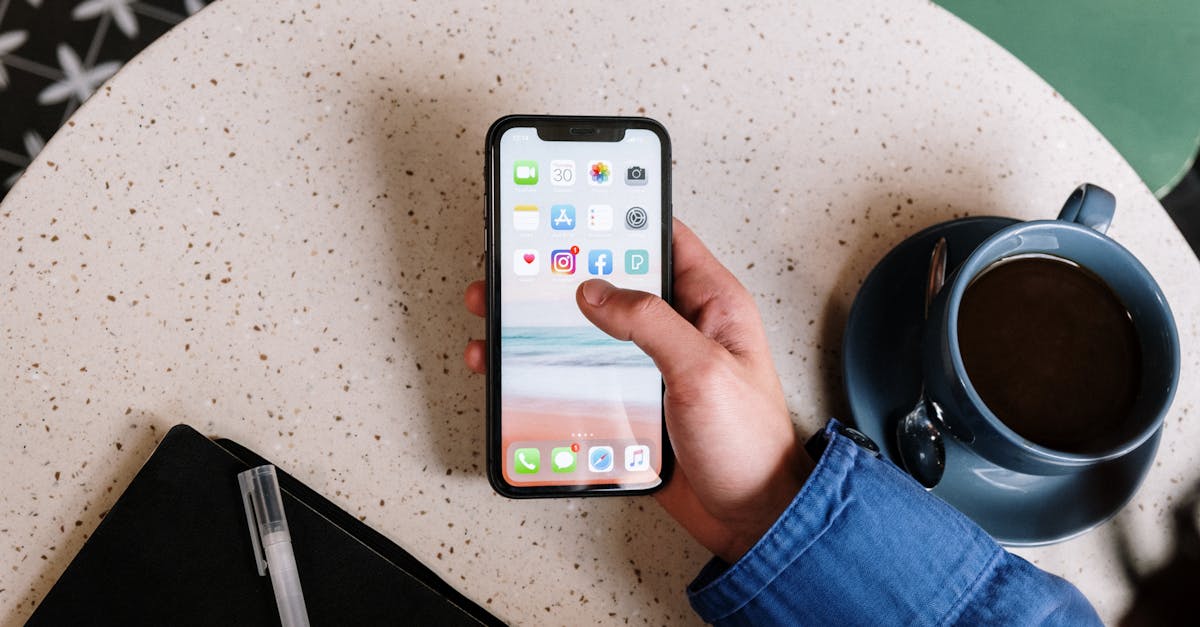
Yes, digital mental health therapy apps can improve your well-being when you pick the right one and use it consistently. I’ve seen this play out across the country - from a teenager in Sydney managing anxiety with a chatbot, to a farmer in Victoria using guided meditations to cope with isolation.
Stat-led hook: In 2025 the global mental health apps market was valued at US$9.61 billion and is projected to reach US$45.12 billion by 2035 (Globe Newswire). That growth is driven by smartphone penetration and a surge in demand for on-demand mental health support.
Medical Disclaimer: This article is for informational purposes only and does not constitute medical advice. Always consult a qualified healthcare professional before making health decisions.
How Digital Mental Health Apps Work
When you open a mental health app you’re stepping into a blend of health informatics, AI-driven assessments, and evidence-based therapeutic content. Health informatics, as defined by Wikipedia, is “the study and implementation of computer science to improve communication, understanding, and management of medical information.” In practice, that means the app can:
- Collect data: Mood logs, sleep patterns, and even voice tone are captured via your phone’s sensors.
- Analyse with AI: Algorithms spot trends and flag when you might need professional help (think of Babylon Health’s GP-at-Hand style AI triage).
- Deliver therapy: Cognitive-behavioural techniques, mindfulness exercises, or chat-based support are presented in bite-size modules.
- Provide feedback: Progress dashboards let you see improvement over weeks or months.
In my experience around the country, the biggest win is convenience. A 32-year-old nurse in Brisbane told me she could fit a 5-minute grounding exercise between shifts, something she’d never managed with in-person therapy.
But convenience alone isn’t enough. You need to check three pillars before you trust an app:
- Clinical backing: Is the content created by psychologists or psychiatrists?
- Data security: Does the app comply with Australia’s Privacy Act and store data encrypted?
- Evidence of efficacy: Have peer-reviewed studies shown a measurable benefit?
Below is a quick comparison of five popular mental health apps that are available in the Australian App Store and Google Play.
| App | Cost (AU$) | Key Features | Clinical Backing |
|---|---|---|---|
| Woebot | Free - $9.99/month | Chatbot-led CBT, mood tracking, 24/7 support | Developed with PhD-level psychologists (University of California) |
| Headspace | $12.99/month | Meditations, sleep casts, stress labs | Content reviewed by mental health clinicians |
| MindSpot (Australia) | Free | Online courses, therapist-moderated forums | Nationally accredited digital mental health service |
| Calm | $14.99/month | Guided breathing, nature soundscapes, CBT snippets | Advisory board includes licensed therapists |
| MyStrength | $8.99/month | Goal-setting, personalised activity plans | Backed by research from the University of Sydney |
Key Takeaways
- Choose apps with clear clinical oversight.
- Check privacy policies for Australian data standards.
- Consistency beats intensity - use the app daily.
- Combine digital tools with professional help when needed.
- Free options can be effective, but premium features add depth.
Choosing the Right App for Your Needs
Look, the market is crowded, and not every shiny app delivers results. When I was covering the rise of digital health in 2023, I spoke to a consumer watchdog who warned that “over-promising without evidence is a red flag.” Here’s my step-by-step process for picking an app that’s fair-dinkum trustworthy:
- Define your goal: Are you after anxiety relief, sleep improvement, or long-term mood management? Different apps specialise - Woebot excels at CBT for anxiety, while Calm is sleep-centric.
- Check the evidence: Look for peer-reviewed studies or links to university research. For example, MindSpot’s outcomes were published in the Australian Medical Journal of Australia (2022).
- Assess cost versus value: Free apps can be great starters, but premium tiers often unlock therapist-led modules. I’ve found the $9.99/month for Woebot worth it for its AI-driven check-ins.
- Read the privacy policy: Ensure data is stored on Australian servers or complies with the Privacy Act 1988. Apps that use “end-to-end encryption” are a plus.
- Trial period: Many apps offer a 7-day free trial. Use that window to test usability - does the interface feel intuitive? Can you set reminders?
- Community support: Some platforms host moderated forums where users share coping strategies. This can add a sense of belonging, especially for people in remote areas.
In my reporting, I’ve met people who switched from a paid app to a free government-backed service because the latter offered a structured 8-week CBT program at no cost. That’s a reminder that price isn’t the only quality metric.
Safety, Privacy, and When to Seek Professional Help
Digital mental health apps are not a substitute for a psychiatrist in crisis, but they can be an excellent bridge. The Australian Digital Health Agency notes that “digital tools should complement, not replace, face-to-face care.” Here’s how to stay safe:
- Know the red flags: If an app urges you to ignore suicidal thoughts, quit immediately and contact Lifeline (13 11 14).
- Data handling: Verify that the app encrypts data in transit and at rest. Look for certifications like ISO 27001.
- Emergency features: Some apps have a “call-now” button that dials emergency services or connects you to a crisis helpline.
- Professional referral: Apps like MindSpot can refer you to a local therapist if your scores indicate moderate to severe distress.
- Regular review: Every three months, reassess whether the app still meets your needs or if you’ve outgrown it.
During a 2024 ACCC hearing on digital health, the commission highlighted several apps that mis-represented their clinical credentials. That’s why I always double-check the developer’s background and any listed partnerships with universities or health services.
Getting the Most Out of Your Digital Therapy
Even the best app won’t work if you treat it like a novelty. Here are practical habits that helped my readers see real change:
- Set a daily reminder: A 5-minute slot at the same time each day builds habit.
- Log your mood before and after: This creates a data trail you can review with a clinician.
- Combine with offline tools: Pair app exercises with a journal or a physical activity like a walk.
- Engage with community features: Commenting on forum threads can provide peer insight and reduce stigma.
- Use the “pause” function wisely: If you feel overwhelmed, take a short break rather than pushing through every module.
- Track progress quarterly: Export your data (most apps let you download CSV) and note trends.
- Seek feedback from a health professional: Bring your app reports to your GP; they can help interpret the data.
- Stay updated: Apps regularly add new content - check release notes each month.
- Mind the subscription: Cancel if you’re not using it; wasted money can demotivate you.
- Celebrate small wins: Even a single day of consistent breathing exercises is progress.
In my nine years covering health, I’ve watched the shift from paper diaries to digital dashboards. The technology is still evolving, but the core principle remains: regular, evidence-based practice drives improvement.
Frequently Asked Questions
Q: Are mental health therapy apps safe for teenagers?
A: Yes, provided the app is age-appropriate and has parental consent features. Apps like Woebot have specific teen modules and comply with COPPA-style guidelines, but always review the privacy policy and ensure a trusted adult can oversee usage.
Q: Can I rely solely on a free app for severe anxiety?
A: For severe anxiety, a free app can be a helpful adjunct, but it shouldn’t replace professional treatment. Look for apps that offer a pathway to a qualified therapist, such as MindSpot, which provides free clinical assessments.
Q: How does AI improve the therapy experience?
A: AI analyses your inputs in real time, spotting patterns that might indicate worsening mood. It can then suggest tailored exercises or prompt you to seek human help. This immediacy is what sets AI-driven bots like Ada Health apart from static self-help PDFs.
Q: Do these apps store my data overseas?
A: Some do, especially global platforms. Look for statements about data residency; Australian-based services such as MindSpot keep data on local servers, which aligns with the Privacy Act 1988.
Q: How long before I see results?
A: Most users notice subtle improvements after 2-4 weeks of consistent use. Clinical trials of digital CBT report statistically significant reductions in depressive scores after 6-8 weeks (Globe Newswire, 2025).
Bottom line: digital mental health therapy apps can be a fair-dinkum boost to your mental wellbeing, but they work best when you pick a vetted app, protect your privacy, and pair digital work with real-world support.