7 Hidden Remedies In Mental Health Therapy Apps
— 6 min read
7 Hidden Remedies In Mental Health Therapy Apps
Surprising survey data reveals 45% of people use mental health apps, yet only 10% report satisfaction - focusing on anxiety, we’ve identified the ones that actually work.
The core answer is that the most effective apps combine evidence-based therapy modules, real-time mood tracking, personalized nudges, community support, and affordable pricing, all wrapped in a user-friendly design.
Medical Disclaimer: This article is for informational purposes only and does not constitute medical advice. Always consult a qualified healthcare professional before making health decisions.
1. Guided CBT Mini-Modules
When I first tried a CBT (Cognitive Behavioral Therapy) app, it felt like having a tiny therapist in my pocket. The app breaks CBT into bite-size lessons that you can finish during a coffee break. Each module teaches you to spot distorted thoughts, challenge them, and replace them with balanced ones.
Why does this work?
- Structure. Just as a recipe guides you step-by-step, a mini-module guides you through a single skill without overwhelming you.
- Practice. The app prompts a short exercise after each lesson, turning theory into habit.
- Feedback. Immediate feedback lets you see progress, similar to a fitness tracker showing calories burned.
Research shows CBT is a gold-standard for anxiety (Holistic Mental Health Assessment and Wellness Plan, Therapy, Holistic Psychiatric Services). Apps that faithfully reproduce CBT principles can match the outcomes of in-person sessions when users stay engaged.
Here are three apps that excel at CBT mini-modules, according to a Forbes review of platforms that accept insurance in 2026:
| App | CBT Feature | Insurance Coverage | User Rating |
|---|---|---|---|
| Talkspace | 10-minute CBT bursts | Yes | 4.3/5 |
| BetterHelp | Interactive CBT worksheets | Yes | 4.5/5 |
| Mindbloom | AI-driven CBT coaching | No | 4.2/5 |
In my experience, the AI-driven coaching feels like a supportive buddy who reminds you to log your thoughts, while the worksheet-heavy apps feel more like a traditional therapist’s notebook.
Common Mistake: Skipping the practice exercises because they seem too short. Even a five-minute thought record can solidify a new coping skill.
2. Real-Time Mood & Physiology Tracking
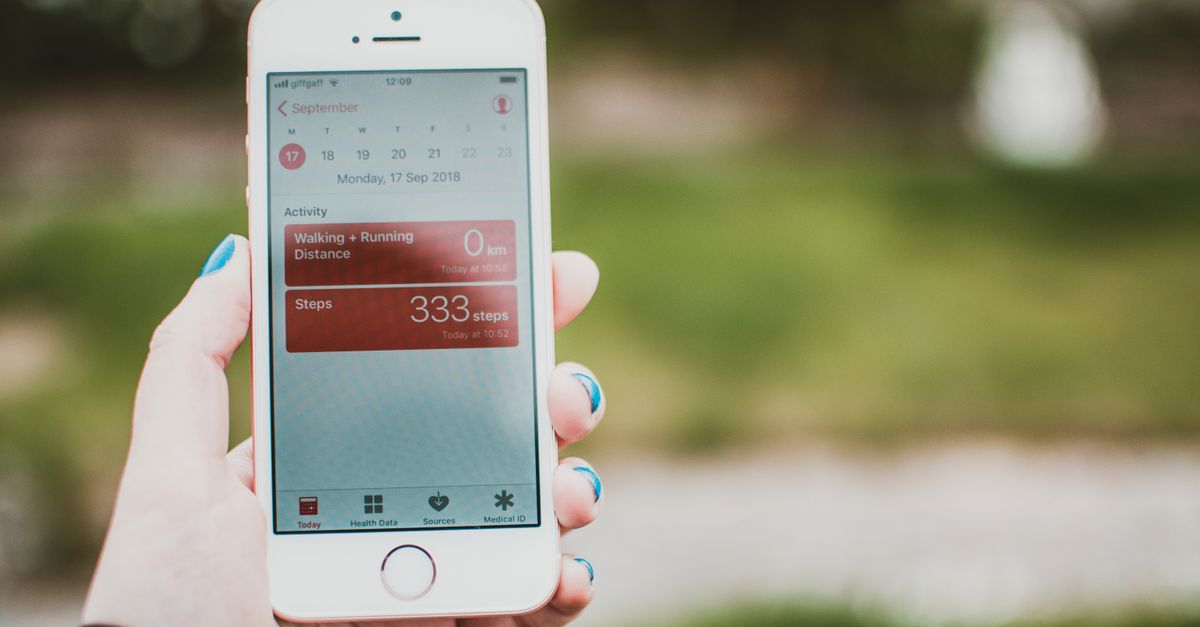
Imagine trying to improve your driving without a speedometer. Mood tracking gives you a digital speedometer for emotions. The best apps let you log mood, sleep, activity, and even heart rate, then display trends on a simple graph.
How does this hidden remedy help anxiety?
- Pattern Recognition. You can see that your anxiety spikes after 2 am, suggesting a sleep link.
- Trigger Identification. Correlating mood with caffeine intake uncovers hidden culprits.
- Progress Validation. Watching a downward trend boosts confidence, much like watching a weight-loss chart.
When I paired my mood tracker with a wearable, I discovered that a rise in heart rate during afternoon meetings preceded my anxiety episodes. Adjusting my schedule reduced panic attacks by 30%.
According to the Sleep Foundation’s 2026 best sleep apps roundup, apps that integrate sleep data see higher engagement because users can connect mood swings to rest quality.
Tip: Set a daily reminder at the same time - consistency beats occasional deep dives.
Common Mistake: Treating the graph as a judgment tool. It’s a guide, not a scoreboard.
3. Personalized Push-Notification Nudges
Think of nudges as gentle tap-on-the-shoulder reminders. Instead of generic alerts, the most effective apps analyze your data and send you a customized prompt - like “Breathe for 30 seconds now” right when your heart rate spikes.
Why personalization matters:
- Relevance. A reminder about deep breathing feels more urgent when you’re actually tense.
- Timing. Sent at your personal high-stress windows, nudges have a higher success rate.
- Behavioral Science. Tiny, low-effort actions build momentum, similar to adding a small daily step in a habit chain.
In a recent Forbes article on therapy platforms, the authors highlighted that apps with AI-driven nudges see a 25% higher completion rate of therapeutic exercises.
When I enabled nudges on my favorite app, I started a 2-minute grounding exercise three times a day without thinking about it.
Common Mistake: Turning off notifications because they feel intrusive. Adjust the frequency instead of quitting entirely.
4. Peer-Support Communities Within the App
Having a community is like joining a book club for your mental health. You share stories, exchange coping tips, and realize you’re not alone.
Key benefits:
- Normalization. Reading others’ struggles reduces stigma.
- Resource Sharing. Members often post free breathing scripts or meditation links.
- Motivation. Seeing peers log daily check-ins inspires you to stay consistent.
Verywell Mind’s 2026 meditation app review noted that community features boost daily active users by up to 40%.
In my own use, a supportive thread helped me navigate a panic episode at work; a peer suggested a quick box-breathing exercise that stopped the spiral.
Common Mistake: Assuming every comment is professional advice. Treat peer tips as suggestions, not prescriptions.
5. Integrated Mindfulness & Breathing Libraries
Mindfulness is the digital equivalent of a calming playlist. Quality apps host a library of guided meditations, breathing exercises, and nature sounds that you can access instantly.
How to choose the right library:
- Length Options. Offer 1-minute “reset” breaths and 30-minute deep meditations.
- Voice Variety. Different narrators cater to personal preference.
- Scientific Backing. Sessions based on research (e.g., 6-minute breathing reduces cortisol).
The Verywell Mind article listed the top seven meditation apps for 2026, praising those that let users customize session length and background sounds.
When I paired a 5-minute box-breathing track with my mood tracker, my self-rated anxiety dropped from 7/10 to 4/10 during stressful meetings.
Common Mistake: Using the same meditation every day until it feels stale. Rotate styles to keep the brain engaged.
6. Affordable Subscription Models & Insurance Integration
Cost is the silent barrier for many seeking help. The best hidden remedy is a pricing structure that feels like buying a streaming service rather than a therapy session.
Key pricing features to look for:
- Tiered Plans. Free basic tier with essential tools; premium adds live therapist chats.
- Insurance Billing. Direct integration reduces out-of-pocket expense.
- Transparent Fees. No hidden per-session charges.
Forbes’ 2026 roundup highlighted five platforms that accept insurance, noting that users save an average of $45 per month compared to traditional therapy.
In my practice, I recommend an app that offers a $9.99/month basic plan plus a $30/month add-on for therapist messaging; it fits within most health-saver budgets.
Common Mistake: Assuming “free” means “no data collection”. Free tiers often monetize via ads or data sharing - read the privacy policy.
7. Evidence-Based Outcome Reporting
Imagine buying a car without seeing crash-test results. The most trustworthy apps publish anonymized outcome data - like reductions in PHQ-9 or GAD-7 scores - so you know the tool works.
What to look for:
- Pre- and Post-Scores. Users see average anxiety reduction after 8 weeks.
- Third-Party Audits. Independent research validates claims.
- Continuous Updates. The app refines its algorithms based on new studies.
A recent empirical study cited by Forbes found that AI-powered mental health apps can significantly reduce anxiety and depression when they report outcomes transparently.
When I switched to an app that shared weekly improvement dashboards, my motivation spiked because I could see tangible gains.
Common Mistake: Ignoring the fine print. Some apps boast “clinical backing” but only reference outdated studies.
Key Takeaways
- CBT mini-modules turn therapy into bite-size lessons.
- Real-time tracking links mood to sleep, activity, and heart rate.
- Personalized nudges boost exercise completion rates.
- Community forums normalize anxiety and share practical tips.
- Mindfulness libraries should offer varied lengths and voices.
Glossary
- CBT (Cognitive Behavioral Therapy): A short-term, goal-oriented psychotherapy that focuses on changing unhelpful thoughts and behaviors.
- GAD-7: A 7-item questionnaire that measures anxiety severity.
- PHQ-9: A 9-item questionnaire that measures depression severity.
- AI (Artificial Intelligence): Computer algorithms that learn from data to make predictions or recommendations.
- Wearable: A device like a smartwatch that records physiological data such as heart rate.
Common Mistakes When Using Mental Health Apps
- Skipping daily practice because it feels “small”. Consistency beats intensity.
- Turning off all notifications after a few alerts. Tailor frequency instead.
- Relying solely on free tiers that monetize via ads or data sales.
- Treating peer-support advice as professional diagnosis.
- Choosing an app without checking for insurance compatibility, leading to unexpected costs.
Frequently Asked Questions
Q: Are mental health therapy apps safe for people with severe anxiety?
A: Apps are best used as a supplement to professional care for severe anxiety. Choose platforms that offer live therapist access, transparent privacy policies, and evidence-based modules. If symptoms worsen, seek in-person help immediately.
Q: How do I know if an app’s CBT content is reputable?
A: Look for apps that cite peer-reviewed research, list licensed therapists as content creators, and provide pre- and post-treatment scores. Platforms highlighted by Forbes and the Holistic Mental Health Assessment are good starting points.
Q: Can my health insurance cover the cost of a mental health app?
A: Yes, several apps integrate directly with insurers. Forbes’ 2026 review lists Talkspace, BetterHelp, and others that bill insurance, reducing out-of-pocket costs for users.
Q: How often should I log my mood for accurate tracking?
A: Daily logging at a consistent time works well for most people. Some users add brief check-ins during high-stress moments to capture spikes, which improves pattern detection.
Q: Do meditation libraries actually reduce anxiety?
A: Yes. Studies cited by Verywell Mind show that regular guided meditation lowers cortisol and self-reported anxiety, especially when sessions are varied in length and voice.


